This award was established by the British Phycological Society in recognition of Hilda Canter-Lund, whose stunning photographs will be known to many members. Her photomicrographs of freshwater algae combined high technical and aesthetic qualities whilst still capturing the quintessence of the organisms she was studying.
Congratulations to all that made the shortlist, the competition was strong this year, and the BPS thanks everyone who submitted images and voted for their favourites.
2025 Winners
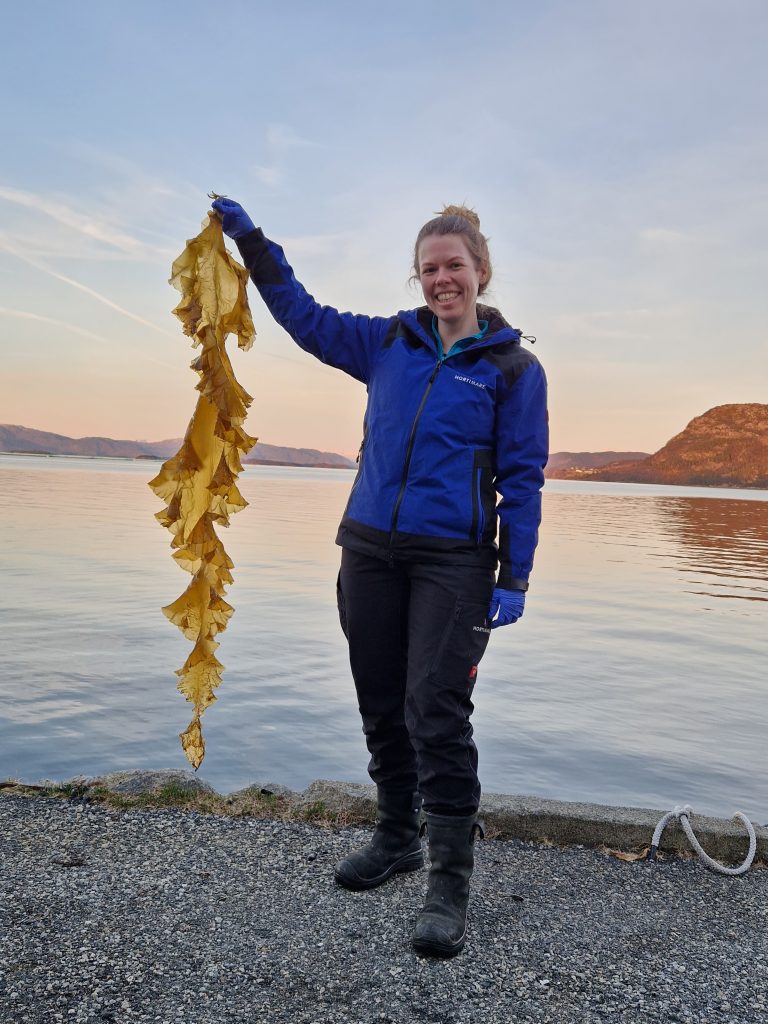
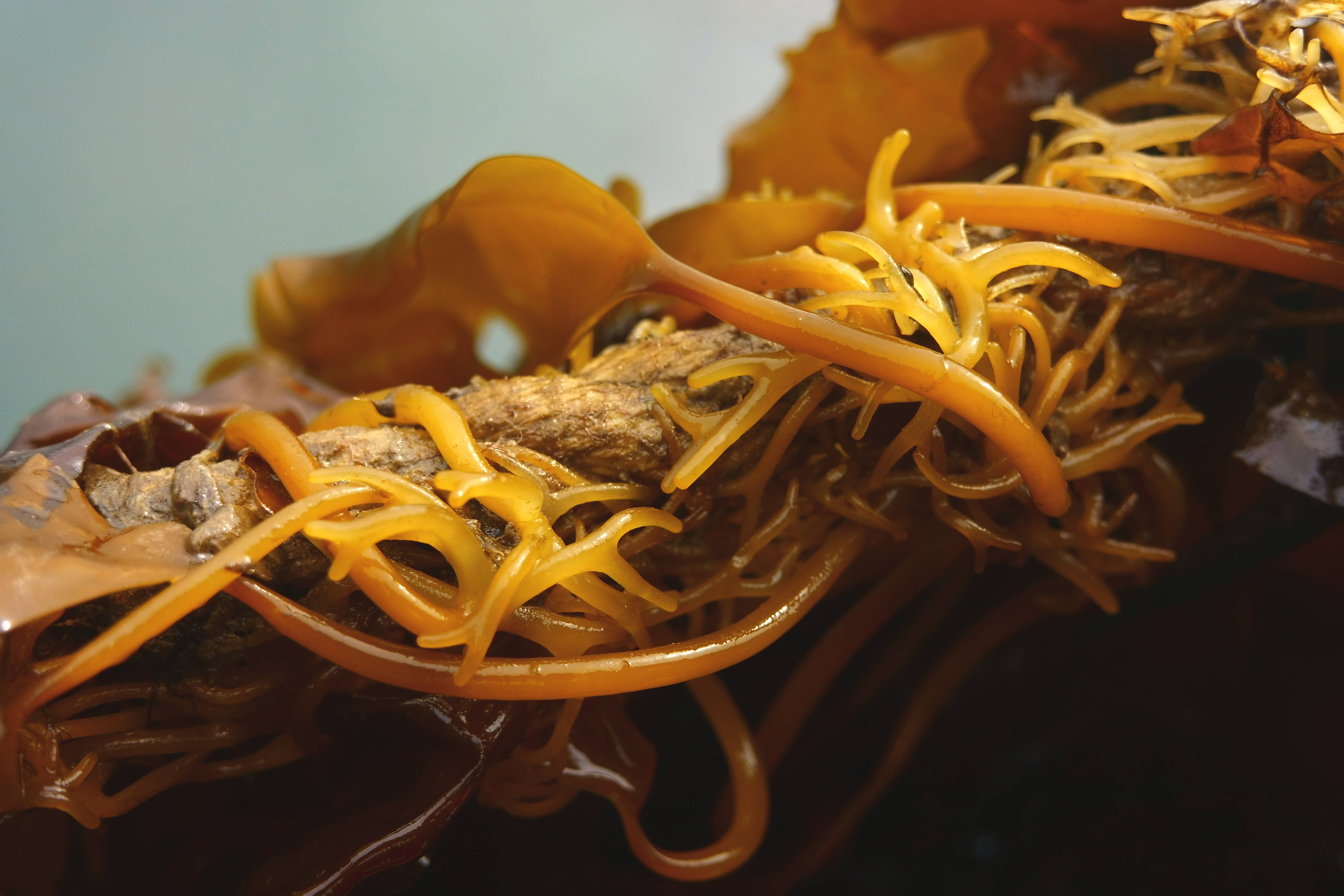
Macro category – Jessica Schiller “Holding Fast”
Jessica is a senior scientist at Hortimare in the Netherlands with a lifelong passion for marine biology. Her academic work focused on kelp ecophysiology, specialising in the bioinvasion of Undaria pinnatifida in Europe and its cultivation in Asia during her PhD. As a guest scientist in China, Jessica developed an interest in seaweed cultivation. She moved to the industry, where her work supports seaweed farms, projects and restoration initiatives with seaweed seedlings and research capabilities. For seven years, she has led field trials and an internal research team focused on seaweed attachment, seeding, and farming, combining her academic background with applied research.
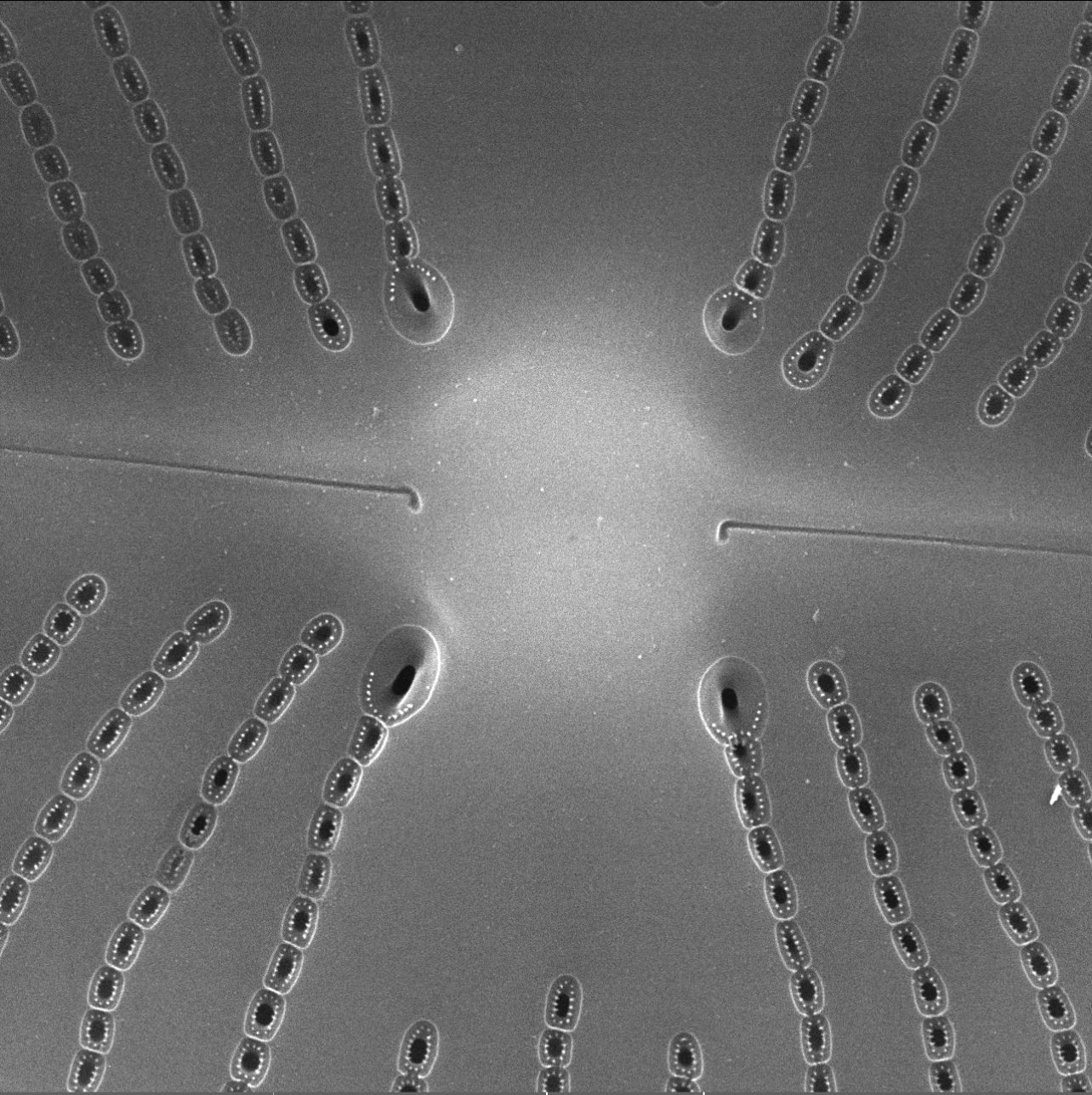
Micro category – Hirak Samir Parikh “Geometry of a Glass Cell”
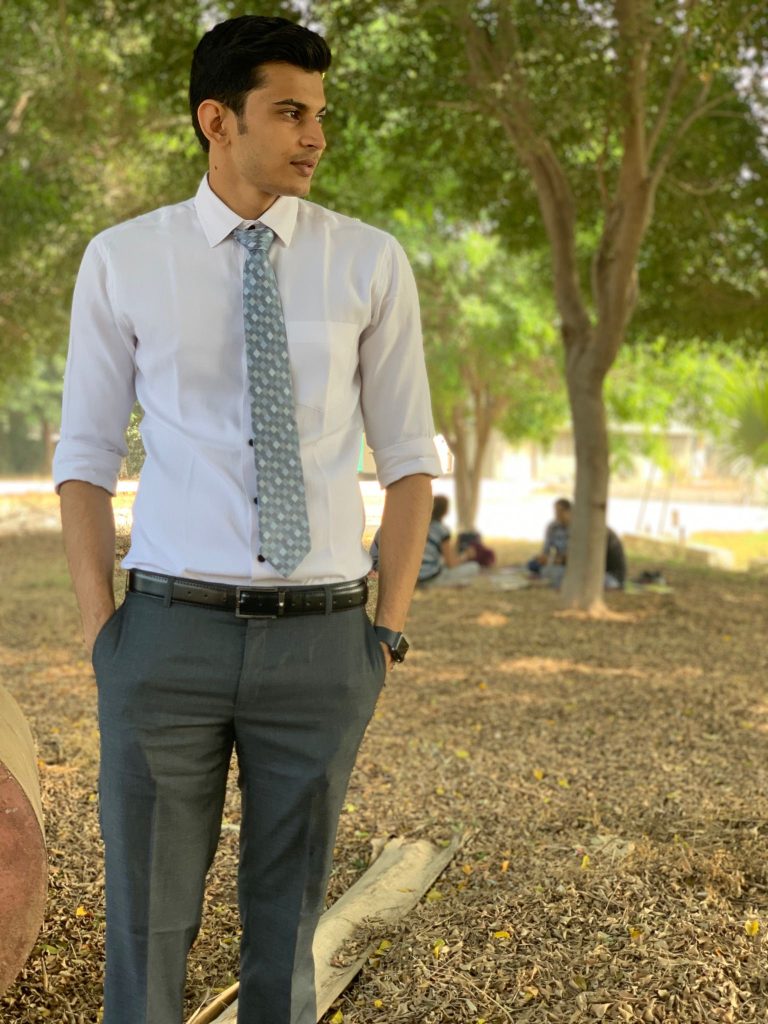
Hirak Samir Parikh is a PhD candidate in the Department of Earth and Environmental Systems at Indiana State University, where his research focuses on diatom taxonomy, systematics, ecology, and their applications in understanding aquatic environmental change. His work combines light and electron microscopy with molecular and ecological approaches to investigate the remarkable diversity, morphology, and evolutionary history of diatoms.
Hirak would also like to acknowledge his academic advisor, Dr. Jeffery R. Stone, for his mentorship and for developing his skills in diatom identification and microscopy. Dr. Stone’s guidance has played an important role in shaping Hirak’s appreciation for the microscopic structures and intricate valve architecture of diatoms that inspired images such as “Geometry of a Glass Cell.”